

Pricing a home near the William J. Clinton Presidential Library and Museum takes more than checking a few nearby sales. Buyers often weigh walkability, access to the River Market, view corridors, lot position, condition, and the pace of current inventory all at once. A smart pricing plan can help your property attract attention early, reduce unnecessary time on market, and support stronger negotiating leverage.
Why pricing matters in this part of Little Rock
Homes near the library district occupy a distinctive slice of the Little Rock market. The area blends established neighborhoods, civic landmarks, riverfront access, entertainment options, and a mix of housing styles that can vary block by block. Because of that, pricing is rarely as simple as taking the average price per square foot from a broad ZIP code and applying it to your address. Two homes with similar size can perform very differently depending on updates, parking, street appeal, and how close they are to the amenities buyers notice first.

In a location tied closely to destination amenities, overpricing can be especially costly. Buyers searching in and around downtown-adjacent areas tend to compare multiple options quickly, and they often notice when a listing is priced above the level supported by recent competition. A home that launches too high may sit longer, leading to price reductions that can weaken momentum. On the other hand, a well-positioned list price can create immediate interest and encourage cleaner offers.
If your property is near the William J. Clinton Presidential Library and Museum, the most effective strategy usually starts with narrow, hyperlocal comparison points. Look at recently sold homes with similar age, size, lot utility, and finish level, but also review active and pending listings that compete for the same buyer attention today. Sold data explains where the market has been; active and pending listings help reveal where it is moving now.
In areas with mixed housing stock, the best comparable sale is not always the closest one. A slightly farther property with a similar layout, finish level, and parking setup may tell you more than the house two doors down.
What buyers are really comparing
When buyers evaluate homes near this landmark area, they usually weigh a full package of value rather than a single metric. Price per square foot matters, but it is only one part of the story. Updated kitchens and baths, usable outdoor space, off-street parking, storage, energy-efficiency improvements, and flexible rooms can all influence pricing power. So can intangible but marketable features such as a strong view, attractive natural light, or a location that feels well connected to parks, trails, museums, and dining districts.
Condition also plays a major role. A home that is move-in ready may justify stronger pricing than a similar property needing paint, flooring, roof work, or mechanical updates. Sellers sometimes focus on what they spent improving a property, but buyers focus on what they are receiving compared with other available choices. That is why pricing should reflect market response, not just renovation cost.
It also helps to understand the likely competition. In this part of Little Rock, a single-family home may compete not only with other detached homes, but also with townhomes, renovated properties in adjacent neighborhoods, and updated condos offering lower maintenance. The right list price acknowledges those alternatives and answers a simple question: why should a buyer choose this property over the next one on their shortlist?
How a local pricing strategy comes together
A practical pricing plan usually combines three layers of analysis. First, review comparable sales from the last few months, giving the most weight to properties that truly match the subject home in style and utility. Second, adjust for differences such as renovation level, lot shape, garage or driveway access, and outdoor living space. Third, test that number against current inventory and buyer activity. If similar homes are receiving quick interest, the market may support a firmer price. If inventory is lingering, sharper pricing may be the better play.
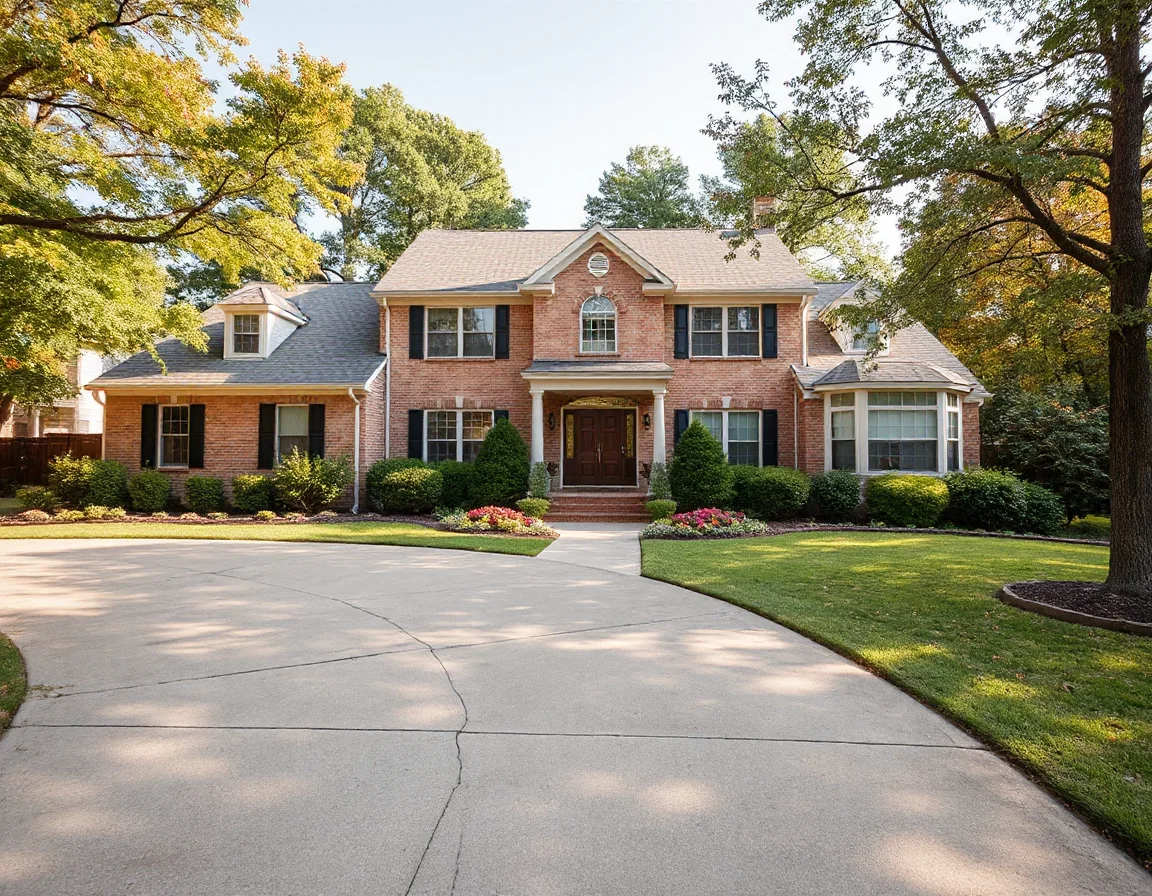
Seasonality can influence the plan as well, though it should not be treated as a shortcut. Some listing periods bring more browsing activity, while others attract buyers who are ready to act quickly when the right property appears. The stronger question is not whether there is a universally perfect month to list, but whether your home is prepared to make a strong first impression when it hits the market. Clean presentation, polished photography, and a price aligned with current competition are often more important than trying to time the calendar exactly.
Sellers should also leave room for negotiation without starting unrealistically high. Many buyers enter a listing with saved searches and instant alerts, so the first price they see shapes their expectations right away. If your home enters the market at a compelling number, it may create stronger urgency than a listing that has to chase the market downward later.
The first one to two weeks on market often bring the most attention from newly alerted buyers. Pricing accurately at launch can do more for results than a later price reduction.
Another key piece is presentation relative to price. If your target number is at the top of the local range, the home needs to support that position visually and functionally. Deferred maintenance, cluttered rooms, or unfinished projects can limit buyer confidence. Even small preparation steps, such as fresh paint, landscape cleanup, updated lighting, and minor repairs, may help justify a stronger price point because they improve how the home compares against active listings.
Using the area’s appeal without overreaching
Location near the library can absolutely support value, but it should be framed with precision. Buyers may respond to proximity to the River Market, river trails, museums, entertainment venues, and downtown employment centers, yet not every nearby home commands the same premium. Busy streets, irregular lots, and differing neighborhood patterns can pull values apart quickly even within a small radius.
That is why careful positioning matters. Instead of assuming the landmark alone sets the number, a better approach is to show how the property fits into a broader lifestyle map: accessibility to local attractions, convenience for everyday errands, and the character of the home itself. A pricing strategy that respects those details tends to feel more credible to buyers and their agents.
It can also help to see how your home sits within the larger attraction-driven market around central Little Rock. Destination areas often bring attention from buyers relocating within the region, professionals seeking convenience, or people simply wanting to be closer to cultural amenities. But attention alone does not guarantee top dollar. Value is earned when price, condition, and location advantages line up clearly.
Explore the Clinton Library area
Final thoughts before you list
Pricing your home near the William J. Clinton Presidential Library and Museum is part analysis, part positioning, and part discipline. The goal is not to chase the highest imaginable number; it is to identify the price that best matches today’s market while preserving interest and negotiating strength. When sellers understand the local competition, prepare the home thoughtfully, and rely on neighborhood-specific data, they give themselves a better chance at a smoother sale.
If you are thinking about listing, start with a detailed review of recent sales, active competition, and the features that make your property stand out. In a location this nuanced, precision beats guesswork every time.