
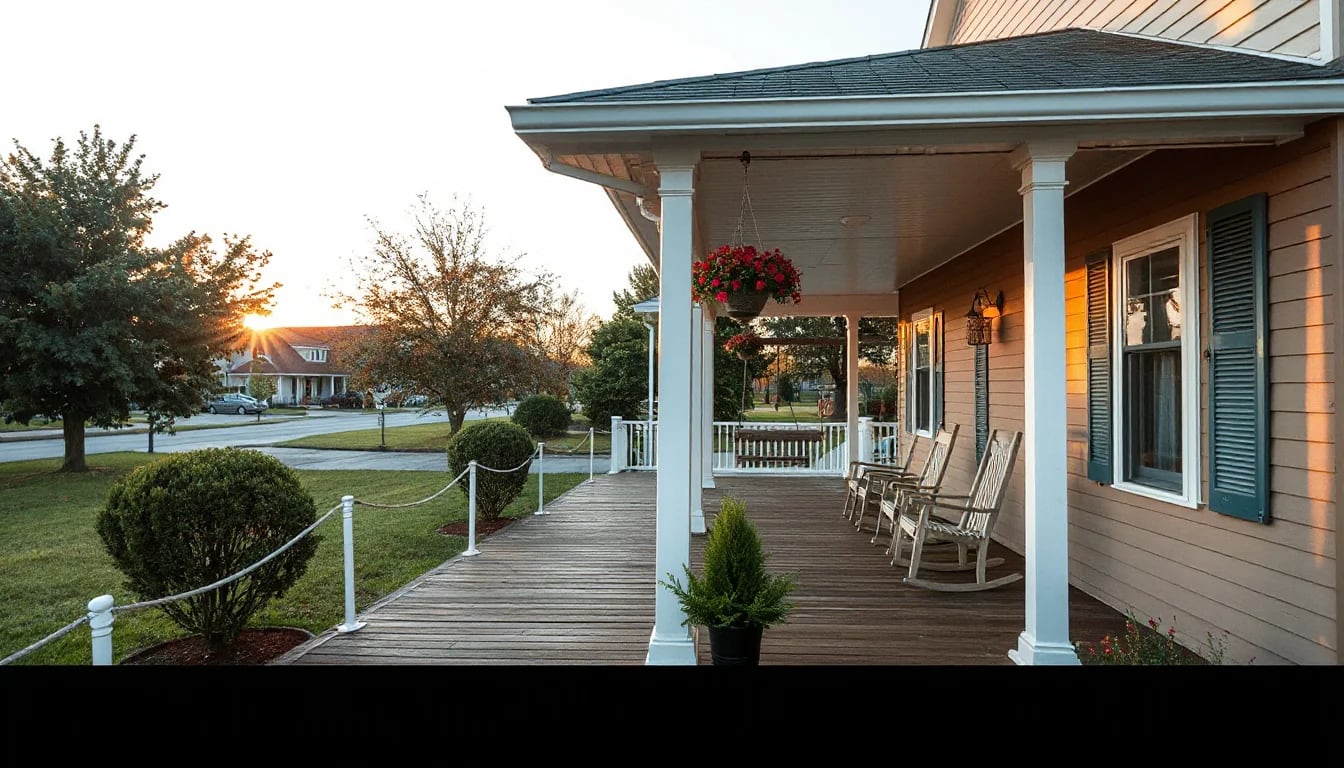
Closing costs can change the math on a purchase faster than many buyers expect, especially in neighborhoods and condo developments near major Little Rock landmarks. If you are considering a home near the Clinton Presidential Library area, understanding lender fees, title charges, prepaid items, and local taxes can help you set a cleaner budget and avoid last-minute surprises. A little preparation now can make your closing table feel straightforward instead of stressful.
Why closing costs matter as much as the down payment
When buyers focus only on the listing price and monthly payment, closing costs can feel like a footnote. In reality, they are a meaningful part of the cash you need to bring to the transaction. Around the Clinton Presidential Library area in Little Rock, that matters because buyers may be comparing condos, townhomes, renovated historic properties, and newer homes in nearby sections of the city, each with slightly different cost structures and paperwork requirements.

Most buyers will see closing costs made up of several categories: lender fees, title and escrow charges, appraisal and inspection costs, prepaid property taxes, homeowners insurance, and sometimes prepaid interest. If you are using financing, your lender will provide an estimate early in the process, but that first number is not always the final one. The exact property, loan program, closing date, and any negotiated seller concessions can all shift the total.
Properties near destination areas like the River Market and the Clinton Library corridor can also come with practical details buyers should review early, such as homeowners association dues, parking arrangements, or insurance needs that affect reserves collected at closing. None of these items are necessarily deal breakers, but they do affect how much cash you need on hand.
A buyer who plans for closing costs separately from the down payment usually has more room to respond calmly if the inspection, appraisal, or lender conditions add new expenses before closing day.
What is usually included in a buyer’s closing costs
A typical closing statement includes both one-time transaction charges and prepaid items that set up the loan account. One-time charges often include the appraisal, credit report, underwriting, loan origination, title search, title insurance, recording fees, and settlement or escrow services. Prepaid items usually include homeowners insurance, daily interest from the closing date to the end of the month, and initial property tax escrows if your lender requires an impound account.
Home inspection fees are often paid before closing rather than on the final settlement statement, but they still belong in your total purchase budget. The same is true for specialty inspections when needed. Depending on the home, buyers may choose roof, sewer, foundation, or pest evaluations. Those costs vary by property condition and age, which can be especially relevant when comparing older residences with recently updated units in central Little Rock.
Title-related costs are another line item that deserves attention. These help confirm ownership history, identify recorded issues, and support the transfer of title. Buyers sometimes skim these details because the charges can look technical, but this part of the process protects the transaction and helps reduce future surprises related to liens or recording problems.
Review loan process information
For buyers using assistance programs or negotiating seller-paid closing costs, the numbers become even more important. Some loan products limit which fees can be covered and how credits may be applied. Asking for a revised estimate whenever terms change is a smart way to keep your budget current instead of relying on an earlier worksheet.
How location and property type can influence the final number
Not every home near the Clinton Presidential Library area will close the same way. A condo may involve transfer documents, association disclosures, move-in procedures, and dues that affect your upfront cash needs. A detached home may not have those same HOA requirements, but it could involve different inspection findings or insurance pricing depending on age, roof condition, and updates.
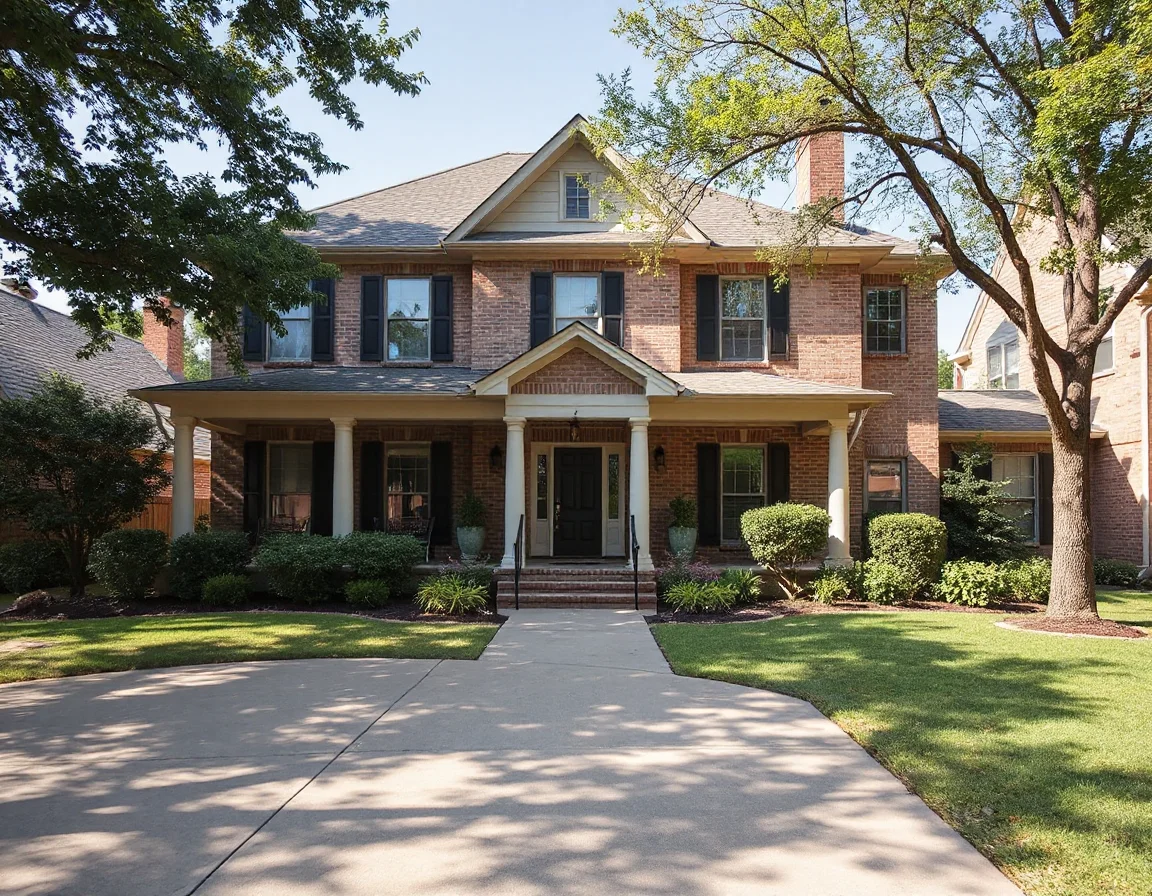
Closing date matters too. Because prepaid interest is calculated from the day you close until the end of that month, the timing can slightly change the amount due. Property taxes and escrow funding can also move depending on local billing cycles and your lender’s cushion requirements. Two buyers purchasing similarly priced homes a few blocks apart may still bring different amounts to closing because their loan structures and timelines differ.
Insurance is another variable worth watching. Premiums can differ based on the property itself, not just the neighborhood. Buyers should request insurance quotes early enough to compare options without delaying underwriting. Waiting until the final week can create unnecessary stress, especially if the lender needs updated documentation before issuing the clear-to-close.
If you are comparing several homes in the same price range, ask for a side-by-side estimate that includes HOA dues, insurance, and likely prepaid items. It is one of the easiest ways to see which option is truly the better fit for your budget.
For anyone shopping near a high-interest destination area, it is also helpful to separate emotional appeal from transaction math. Walkable amenities, riverfront access, museums, entertainment, and nearby dining can be a big draw, but your offer strategy should still leave room for inspections, earnest money, and closing funds.
Ways buyers can prepare before they make an offer
The strongest preparation step is simple: ask your lender for a realistic cash-to-close estimate before touring too many homes. That estimate should include your down payment, estimated closing costs, prepaid items, and a little cushion for changes. Buyers who only budget for the minimum often feel squeezed when appraisal timing, insurance costs, or negotiated repairs shift the numbers.
It also helps to keep your funds traceable and easy to document. Large unexplained deposits, moving money between multiple accounts, or opening new debt during escrow can create lender questions. Clean documentation supports a smoother underwriting process and can reduce delays as closing approaches.
Buyers should also discuss negotiation options with their agent. Depending on market conditions, a seller credit toward closing costs may be possible, though it is never guaranteed. In a more competitive environment, price, contingencies, and closing timeline may matter just as much as the credit request itself. Understanding those tradeoffs before writing an offer can help you decide where to focus your negotiating power.
A smart closing strategy starts with clear numbers
Buying near the Clinton Presidential Library can put you close to some of Little Rock’s most recognizable cultural and riverfront amenities, but the right purchase is not just about location. It is also about knowing your total cost, understanding where each fee comes from, and keeping enough flexibility in your budget to move through inspections, underwriting, and final settlement with confidence.
When buyers review closing costs early, ask better questions, and update estimates as the transaction evolves, they are usually in a stronger position to make decisions without rushing. Whether you are looking at a condo, a historic home, or a newer property nearby, clarity around closing costs helps turn a promising listing into a manageable and well-planned purchase.