
A thoughtful exterior refresh can help a property make a strong first impression before anyone steps through the door. Near the Clinton Presidential Library, the most effective curb-appeal projects balance durable materials, clear maintenance, and design choices that complement Little Rock’s distinct streetscapes. Start with the visible details, then build toward upgrades that support both daily enjoyment and a polished listing presentation.
Start With the View From the Street
Exterior upgrades do not always require a major renovation to make an impact. A buyer’s first look often happens from the sidewalk, driveway, or vehicle, which makes the condition of the front elevation especially important. In areas near the William J. Clinton Presidential Library and Museum, where historic landmarks, riverfront destinations, and established residential blocks create a recognizable Little Rock setting, a well-kept exterior can help a home feel cared for from the outset.
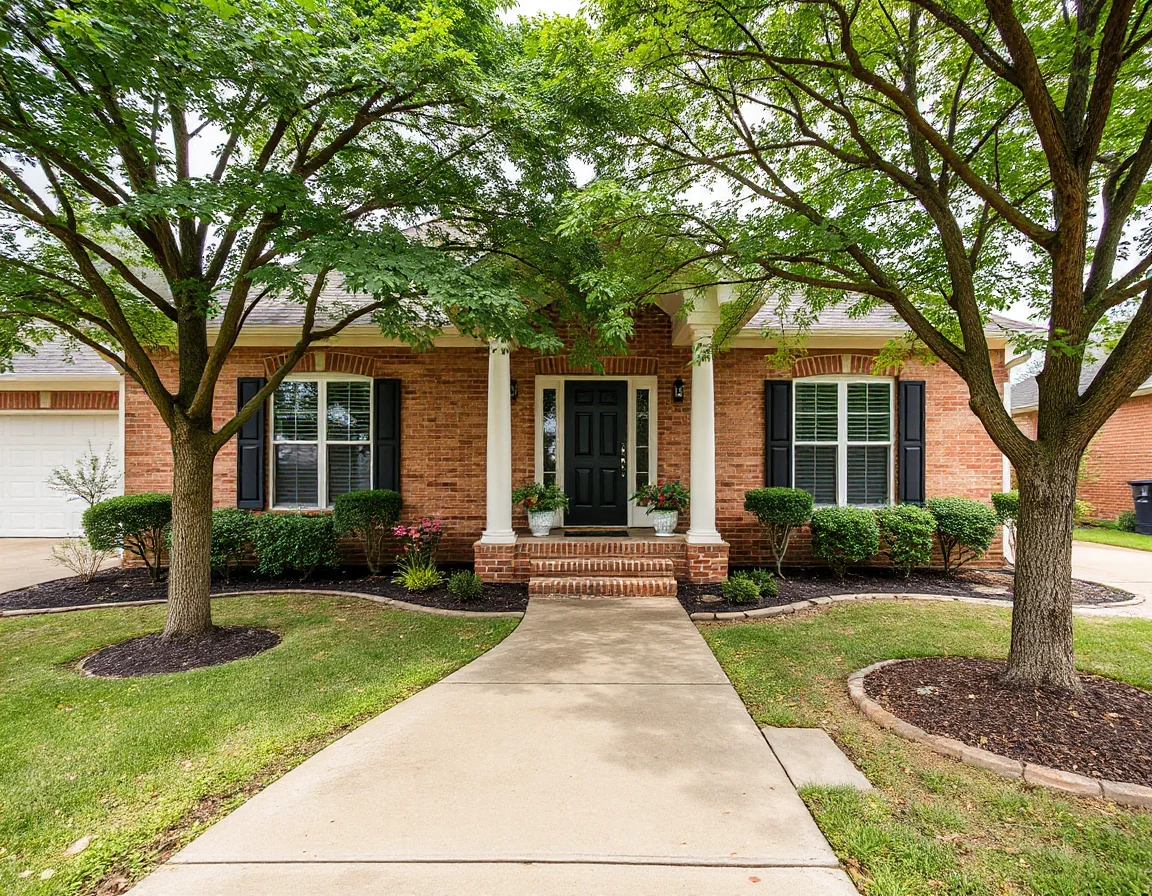
Begin with maintenance before adding decorative features. Wash siding or brick, clear cobwebs from porch ceilings, clean gutters, touch up peeling trim, and replace damaged screens. These projects may sound simple, but they remove visual distractions and allow the home’s architecture to stand out. A pressure-washed walkway, a freshly edged lawn, and neatly trimmed shrubs can also make the entry sequence feel more intentional.
Take a slow walk from the curb to the front door and note anything that appears unfinished, faded, or difficult to use. Look at house numbers, the mailbox, porch railings, exterior lighting, and the condition of the door hardware. These are small details, yet they are often noticed during a showing because visitors encounter them at close range. Choose finishes that work with the existing roof color, masonry, siding, and neighboring architectural context rather than trying to introduce too many competing colors.
A clean front path, working exterior lights, and a freshly painted or professionally cleaned front door can deliver a noticeable visual reset without changing the footprint of the home.
Little Rock’s heat, humidity, rain, and seasonal storms also make material selection practical as well as visual. When replacing exterior elements, consider moisture-resistant trim, durable paint products suited to local conditions, and landscaping that can be maintained through changing weather. Keeping drainage routes clear and directing water away from the foundation supports the appearance of the property while helping protect important systems.
Give the Entry a Clear, Welcoming Focus
The front entrance is an excellent place to concentrate a modest improvement budget. A new paint color can define the door without overwhelming the façade, while updated hardware can add a more finished look. Classic choices such as deep blue, charcoal, muted green, or a warm stained-wood appearance often pair well with brick and neutral siding, but the right option depends on the home’s existing materials and light exposure.
Lighting deserves the same attention. Replace dated fixtures with appropriately scaled options that illuminate the address, front steps, and doorway. Warm, even lighting can help visitors see key features in the evening and supports a more polished presentation in listing photography. Avoid fixtures that are too small for the entry or excessively bright for the porch; the goal is functional visibility and a cohesive exterior detail.
Container gardens and seasonal plantings can soften a porch or stoop when used with restraint. Matching planters beside the door, a simple bench, or a clean outdoor mat can provide visual balance without making the entry feel crowded. If the home has a covered porch, make sure any furnishings leave a clear route to the door and do not conceal architectural features such as columns, railings, or original brickwork.
For homes with a long drive or a side entrance, consider how visitors naturally approach the property. Directional elements such as visible address numbers and a well-maintained walkway can make the exterior easier to navigate. These improvements are especially useful when preparing for open houses or appointments, when a visitor may be seeing the property for the first time.
Explore the area around the Clinton Presidential Library
Use Landscaping to Frame, Not Hide, the Home
Landscaping can be one of the strongest curb-appeal tools because it adds color, texture, and seasonal interest. The most successful approach frames the home rather than obscuring it. Keep shrubs below window level where possible, prune tree limbs away from the roofline, and leave enough open space around the entry for the architecture to remain visible. Fresh mulch in defined planting beds is a quick way to create contrast and communicate routine care.
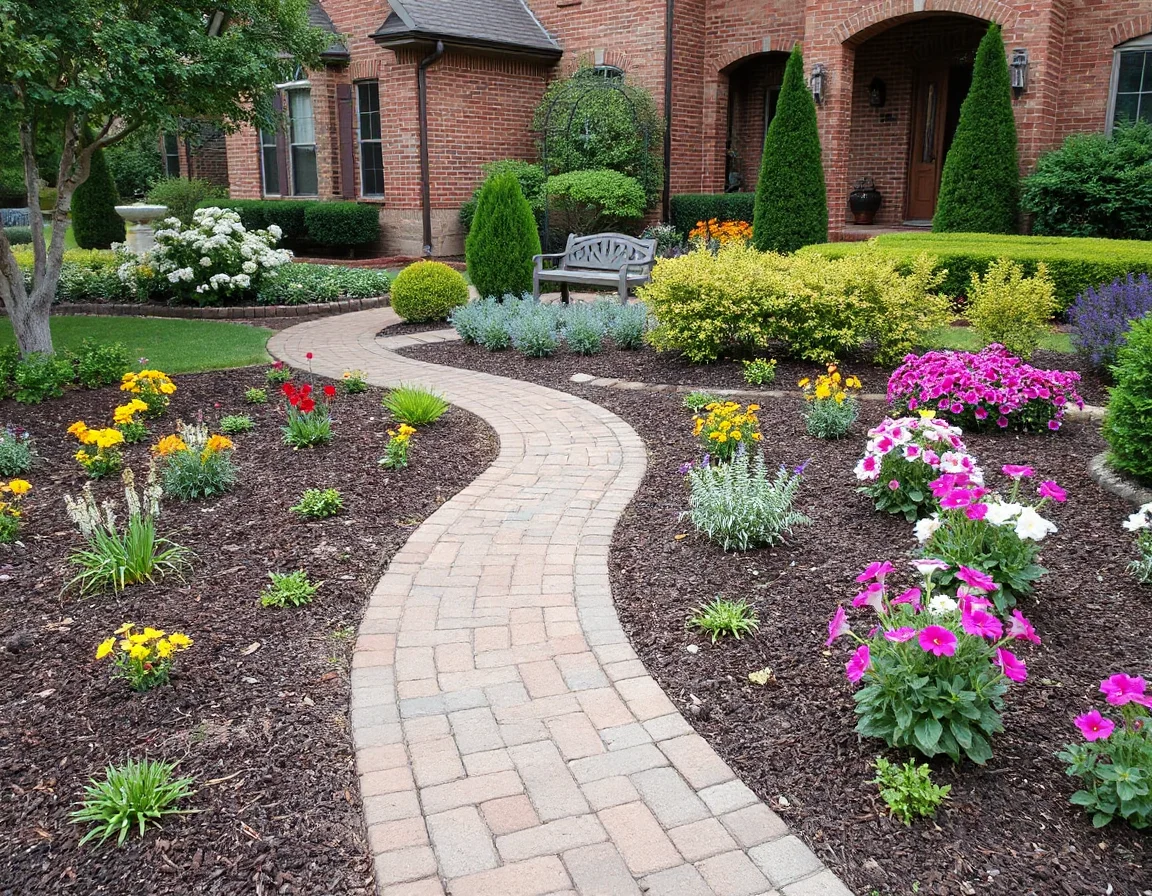
For a manageable landscape plan, combine evergreen structure with a few seasonal accents. Native and regionally appropriate plants may reduce the need for frequent replacement once established, while ornamental grasses, flowering perennials, and compact shrubs can create layers near the foundation. Before planting, check the amount of sun each area receives and leave access to hose connections, utility equipment, and windows.
A healthy lawn is useful, but perfection is not required. Focus instead on consistency: mow regularly, define bed edges, remove visible weeds, and repair thin areas when conditions allow. If irrigation is present, inspect sprinkler heads and look for overspray on sidewalks or siding. In a listing setting, a tidy landscape helps potential buyers focus on the property’s layout, lot features, porch, garage, and exterior condition.
When preparing to sell, simplify crowded beds and remove plants that block windows, paths, or house numbers. Clear sightlines help exterior photos show the home rather than the overgrowth around it.
Do not overlook the backyard and side yard, even if the front is the primary curb-appeal focus. A maintained fence, swept patio, organized storage area, and visible outdoor living space can round out the impression created at the front. Repair loose fence boards, remove worn outdoor items, and ensure gates operate smoothly. These areas can help show how the full property is used without relying on heavy staging.
Choose Projects With a Practical Selling Plan
Before committing to a larger project, separate needed repairs from preference-based improvements. Roof concerns, damaged siding, drainage issues, deteriorated decking, and broken exterior fixtures generally deserve attention before cosmetic changes. Then consider upgrades that photograph well and can be appreciated quickly: a refreshed front door, updated lights, renewed landscaping, repaired steps, or a clean garage door.
For more extensive work, gather estimates, confirm permit requirements when applicable, and save records of completed improvements. Documentation can be useful when discussing the home’s upkeep and may help a prospective buyer understand the work completed. It is also wise to avoid making highly specific design decisions solely in hopes of predicting every buyer’s taste. Neutral, well-maintained finishes tend to let the property’s own character do the talking.
Timing matters, too. Schedule exterior work with enough lead time for paint to cure, new landscaping to settle, and cleanup to be completed before photographs or showings. Photograph the exterior at a time of day when the entry is evenly lit and the landscaping is visible. A prepared exterior sets a strong tone for the rest of the visit and helps buyers arrive ready to notice the home’s features.
Get a home value conversation started
Build an Exterior That Feels Cared For
The best curb-appeal upgrades are not always the most dramatic. They are the choices that make a home look functional, clean, and thoughtfully maintained from the first glance through the final walk-around. Near the Clinton Presidential Library and throughout Little Rock, a balanced plan of repairs, landscaping, lighting, and entry updates can highlight a property’s strengths while respecting its existing style. Whether the goal is preparing for a sale or simply improving the everyday arrival home, begin with visible maintenance and make each improvement support a clear, cohesive exterior story.