

Homes near the William J. Clinton Presidential Library and Museum benefit from a recognizable Little Rock landmark, riverfront access, and an active Museum District setting. For sellers, that activity can make a showing feel energetic or inconvenient depending on timing. A thoughtful plan for parking, event calendars, and first impressions helps buyers focus on the home itself.
Why Foot Traffic Matters During a Showing
Near the Clinton Library, the rhythm of a block can change noticeably from one hour to the next. Visitors may be walking the riverfront, attending a museum program, enjoying nearby public spaces, or arriving for an event in the broader downtown area. That activity is part of what makes this location distinctive, but it also means a buyer’s experience of a home can be shaped by what is happening outside the front door on the day of a showing.

Foot traffic is not automatically a drawback or an advantage. Some buyers may value being close to cultural destinations, trails, open space, and a walkable urban setting. Others may pay closer attention to guest parking, vehicle access, street noise, or how long it takes to enter and leave the area at certain times. The goal of a showing is not to predict a buyer’s preferences; it is to provide a clear, accurate look at the property and its surroundings.
That is why timing deserves as much attention as lighting and staging. A home shown during a calm weekday morning can feel very different than the same home shown shortly before a large gathering, during a popular exhibit period, or when nearby streets are hosting a scheduled activity. Sellers who understand that difference can choose appointments that highlight the property’s access, layout, and outdoor spaces without creating avoidable distractions.
Before confirming a weekend showing, check the Clinton Library’s public calendar and nearby downtown event schedules. A 10-minute review can help avoid peak arrival times and reduce last-minute parking confusion.
Plan the Arrival Experience First
A showing begins before anyone steps inside. In the Museum District, the route from the buyer’s vehicle to the property may shape the first impression more than sellers realize. Clear instructions about the preferred approach, available parking, entry details, and any access considerations allow visitors to arrive settled rather than hurried. For occupied properties, this preparation can also make it easier to keep the showing on schedule.
Parking should be addressed with facts, not assumptions. If a property has a driveway, garage, designated space, permit requirement, or typical street-parking options, those details should be easy to find in the listing and in appointment instructions. When parking availability varies by time of day, it is better to say so plainly. Buyers appreciate practical information they can verify during their visit.
For properties with balconies, patios, porches, or upper-level windows, sellers can use those spaces to tell an honest story about the setting. A well-kept outdoor area can demonstrate how the home relates to nearby streets, landscaping, public paths, and the cityscape. At the same time, it is wise to remove clutter, secure gates, and make entrances easy to navigate so attention stays on the home’s condition rather than small obstacles.
Search homes near the Clinton Library
Use the Local Energy as Useful Context
The area around the William J. Clinton Presidential Library and Museum is connected to the Arkansas River corridor and to a network of downtown destinations. Cultural programming, public art, green space, trails, and nearby gathering places create a setting that can be appealing to buyers who want to understand how a location functions beyond the property lines. A strong listing presentation gives that context without overselling it.
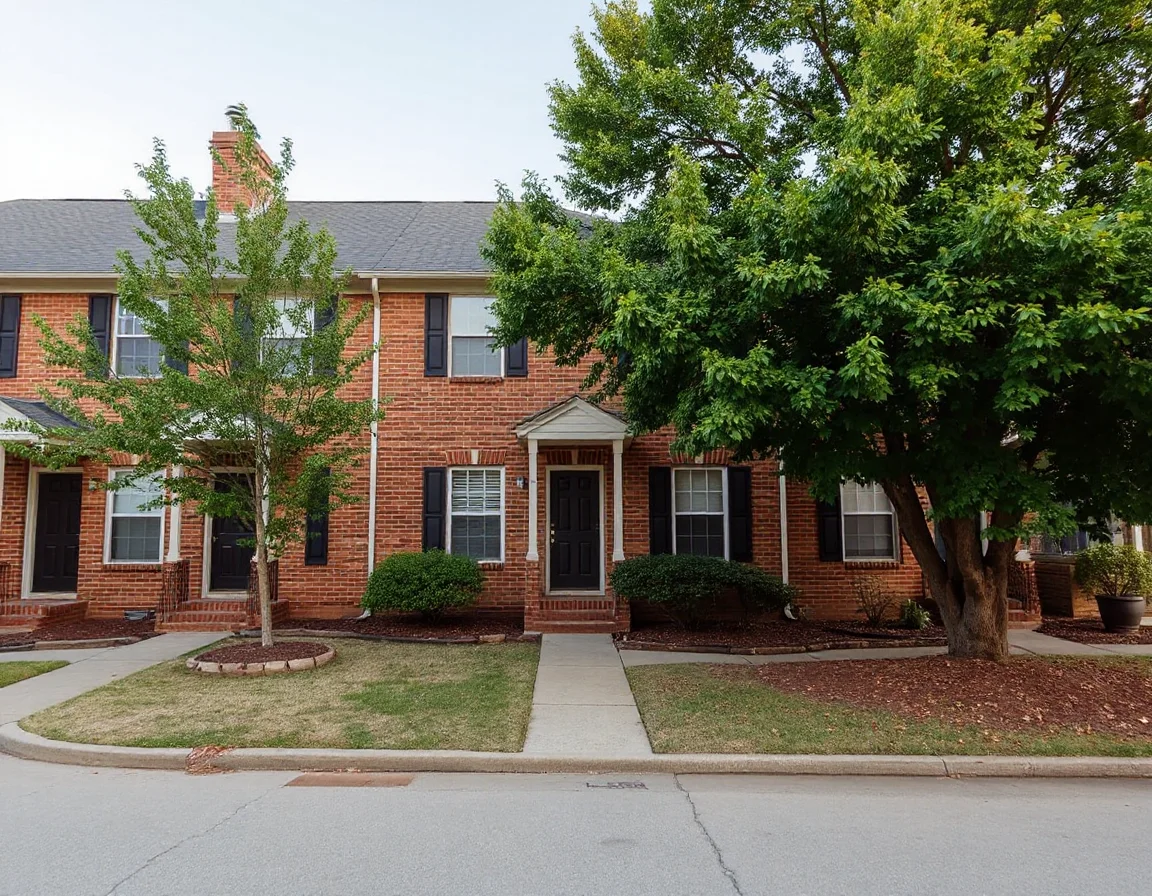
Instead of describing a location with broad labels, focus on measurable features: distance to a trail access point, the presence of sidewalks, visible transit options, proximity to riverfront open space, or the number of off-street parking spaces. These details help buyers compare homes fairly and decide which everyday conveniences matter most to them. They also make a listing more useful for buyers viewing properties from outside the area.
During an open house, it can be helpful to prepare a simple property sheet that includes practical nearby information and a map of the immediate surroundings. Keep the focus on facts such as access routes, public parking locations, neighborhood association information when applicable, and any known municipal project updates. Avoid speculating about future development or promising changes that have not been formally announced.
For sellers, the same local activity that affects showing logistics can support a memorable viewing experience. Natural light, a tidy entry, comfortable interior temperature, and an organized parking plan allow visitors to notice the home’s features while still understanding its relationship to the Museum District. The setting becomes part of the full picture rather than an interruption.
A Showing Strategy for High-Activity Days
When foot traffic is expected to be heavier, flexibility is often the best tool. Consider offering appointment windows rather than stacking every tour into the same short period. Build in enough time between visitors for parking turnover and for each buyer to enter without crossing paths in a narrow entryway. If local activity creates a temporary road closure or access change, communicate it before the appointment instead of waiting for visitors to discover it upon arrival.
There are also simple staging choices that can make an urban showing feel more polished. Close windows if outside sound is unusually active, while still allowing natural light into the room. Keep entry paths clear. If the home has a garage or private drive, make its capacity visible. For condominium or attached-home listings, provide accurate building-entry instructions and identify any visitor procedures in advance.
The best showing window is not always the quietest one. A well-managed appointment during an active period can help buyers see the area as it normally operates, while clear logistics keep the focus on the property.
Buyers benefit from visiting at more than one time of day when possible. A return visit can reveal changes in light, traffic flow, parking patterns, and public activity that may be relevant to their decision. Sellers benefit when that second look is easy to arrange, because convenience encourages serious buyers to gather the information they need.
Keep the Focus on Preparation and Transparency
Homes near the Clinton Library occupy a location where culture, riverfront amenities, and city movement intersect. That can create a compelling backdrop, but successful showings depend on practical preparation rather than a one-size-fits-all schedule. Review calendars, confirm access, communicate parking details, and present the home in a way that lets its features stand on their own.
Whether the block is quiet or active, clear information builds confidence. A well-timed showing helps buyers evaluate the home with fewer distractions and gives sellers a better opportunity to make a strong, accurate impression of both the property and its Little Rock setting.