
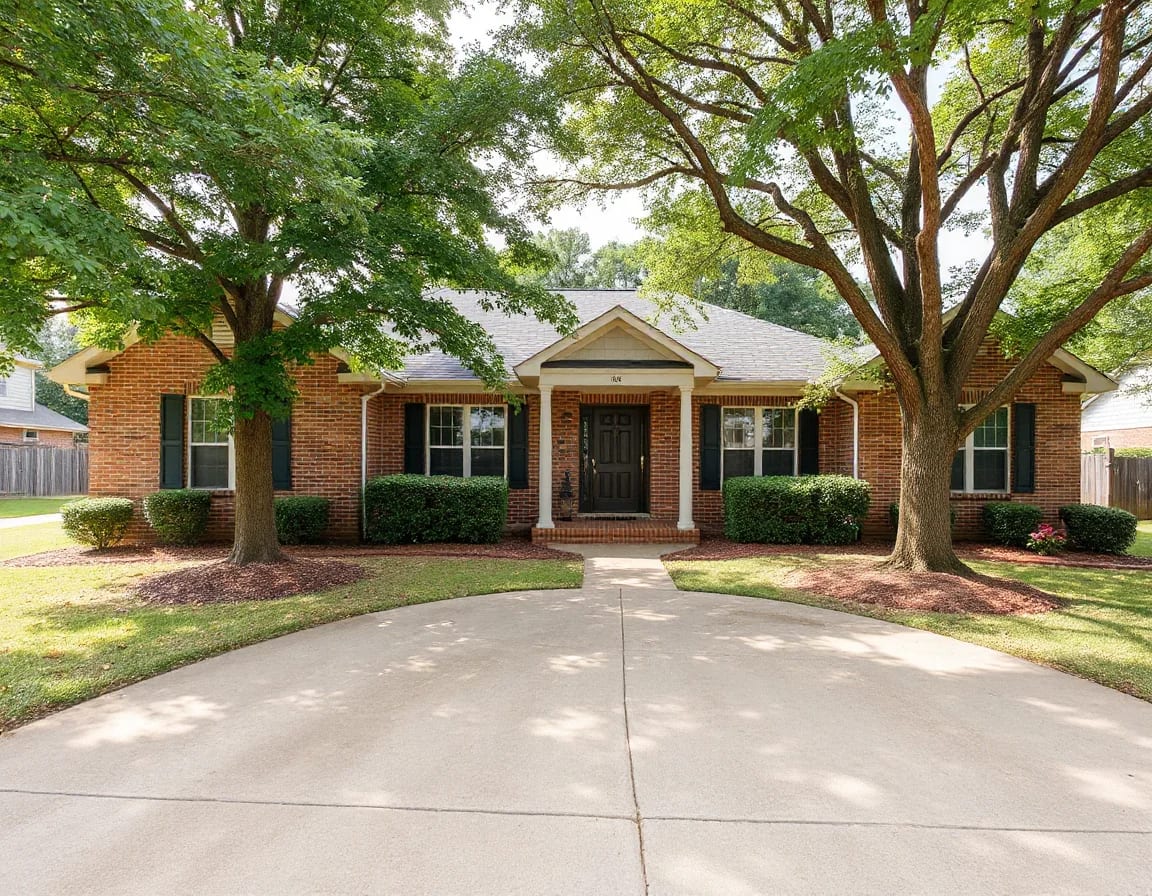
Renovating near the William J. Clinton Presidential Library and Museum can strengthen a home’s appeal when the work matches the property, budget, and surrounding market. The most effective projects improve condition, function, and presentation without spending beyond what local buyers are likely to value. Start with a clear plan, prioritize visible essentials, and make every update easy to understand at showing time.
Start With the Home’s Current Condition
Homes near the Clinton Presidential Library sit within a part of Little Rock shaped by riverfront access, civic landmarks, established streets, and a mix of property styles. That variety is exactly why renovation decisions should begin with the individual home rather than a one-size-fits-all checklist. A carefully preserved older home, a compact condo, and a newer residence may each need a different strategy to compete effectively.
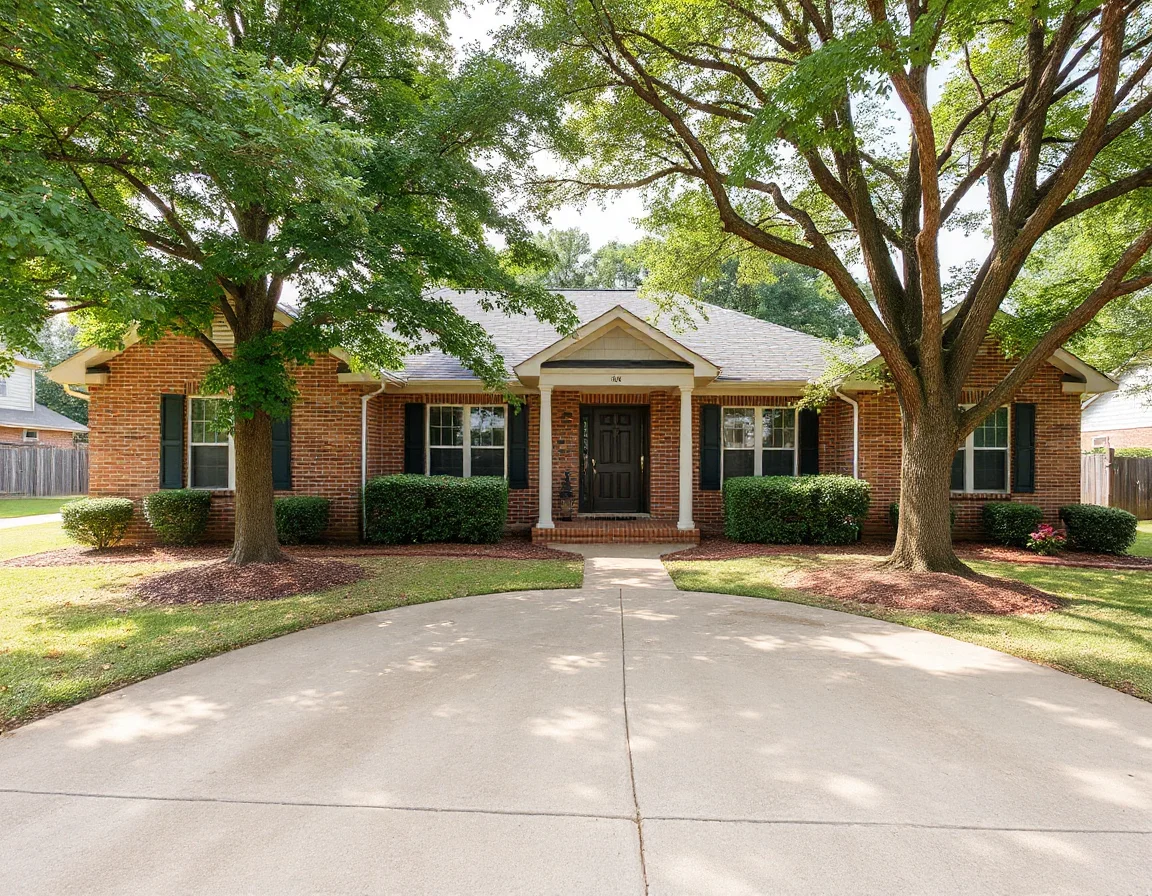
Condition comes before decoration. Buyers often notice deferred maintenance long before they notice a new light fixture. Before selecting finishes, evaluate the roof, foundation, drainage, HVAC performance, electrical service, plumbing, windows, exterior paint, and visible wood rot. Addressing a clear issue may not create the same instant visual impact as a new kitchen, but it can protect a sale from avoidable inspection concerns and help a property feel responsibly maintained.
Next, look at first impressions. A cleaned exterior, a repaired walkway, trimmed landscaping, updated house numbers, working exterior lighting, and a freshly painted front door can make a meaningful difference without requiring a major construction budget. These improvements do not need to be elaborate. Their value is in creating a cohesive arrival experience that signals care from the street to the entry.
For interior planning, walk through the home as a prospective buyer might. Are there dark rooms, worn flooring transitions, dated hardware, damaged drywall, crowded storage areas, or awkward furniture placement that makes rooms feel smaller? Simple corrections can help buyers focus on the layout and features of the home instead of mentally calculating a list of immediate tasks.
A renovation budget usually works hardest when essential repairs and high-visibility updates are completed before niche upgrades that may not matter to every buyer.
It is also useful to separate personal taste from broad market appeal. Strongly themed finishes, highly specific built-ins, and dramatic color choices can be enjoyable when an owner plans to stay for years, but sellers should consider whether those decisions will narrow the pool of interested buyers. Neutral, durable, well-installed materials typically give purchasers more freedom to picture their own belongings and routines in the space.
Prioritize Kitchens, Baths, and Everyday Function
Kitchens and bathrooms remain important decision points because they combine visual impact with daily use. That does not mean every home needs a full demolition. In many cases, a targeted refresh can deliver a cleaner, more current result while keeping the project within a sensible range for the property.
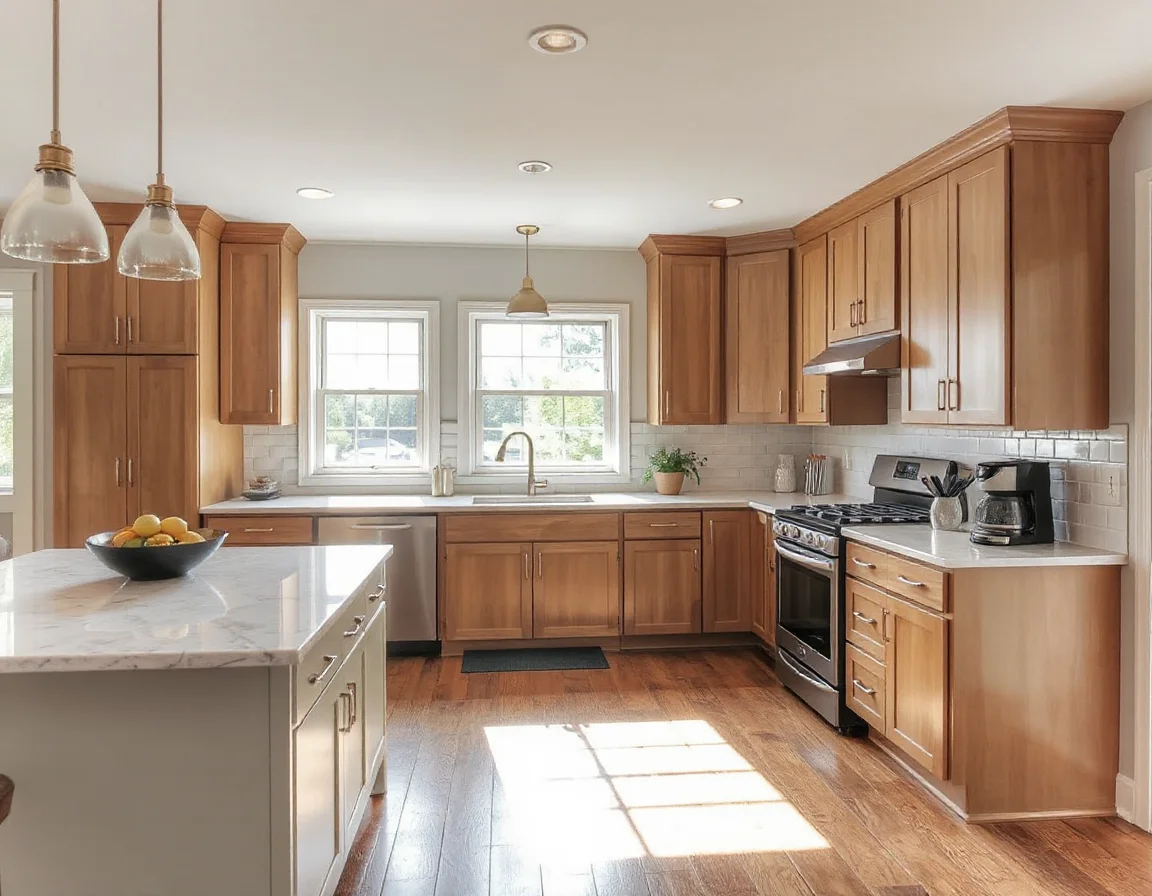
In a kitchen, consider the elements buyers touch and see most: cabinet condition, countertop wear, lighting, appliance coordination, sink fixtures, backsplash surfaces, and flooring. Repainting sound cabinets, replacing dated pulls, improving task lighting, and installing a durable counter surface can transform the room without changing its footprint. If the layout is genuinely inefficient, however, it may be worth consulting a contractor about options that improve circulation or usable prep space.
Bathrooms benefit from the same practical approach. Repair leaks, replace failing caulk and grout, resolve ventilation issues, and make sure fixtures operate correctly. A new vanity light, mirror, faucet, toilet, hardware, and fresh paint can elevate an older bath considerably. If tile is in poor condition or a shower has water damage, a more complete renovation may be the better long-term choice because it solves a functional problem as well as an aesthetic one.
Do not overlook flexible spaces and storage. A clean, usable laundry area, organized closets, functional pantry shelving, and an uncluttered bonus room can add to the sense that a home is ready for its next owner. Where possible, make storage visible during listing preparation rather than concealing it behind packed doors. Buyers often respond positively when the home demonstrates how everyday items can be accommodated.
Energy and comfort upgrades can also support a renovation plan. Sealing drafts, servicing mechanical systems, adding insulation where appropriate, installing programmable controls, and replacing inefficient fixtures may reduce maintenance questions and improve the home’s day-to-day usability. Keep records, permits, warranties, and contractor invoices organized; clear documentation can be helpful when explaining what was updated and when.
For larger projects, obtain multiple estimates and compare scope—not just price. A lower bid can become costly if it omits preparation, permits, materials, or finish work that another estimate includes.
Get a home valuation before planning major updates
Match the Scope to the Local Market
Return on investment is not guaranteed by a particular project. It depends on current inventory, the home’s starting condition, nearby comparable sales, buyer expectations, construction costs, and the quality of the finished work. A renovation that makes sense for one address may be difficult to recover at another, even when the materials are similar.
Before committing to a large budget, review recent comparable properties with an experienced local real estate professional. Pay attention to what has sold, how updated those homes were, their size and condition, and how their features compare with yours. This conversation can help answer a crucial question: should the goal be to fully renovate, selectively improve, or simply prepare the property for a clean and well-priced market launch?
Near a prominent Little Rock destination such as the library and museum, location can be a meaningful part of a home’s story, but location should not replace sound preparation. Buyers still evaluate the home itself: its systems, floor plan, natural light, outdoor areas, parking, maintenance history, and overall condition. Present local amenities factually, then let the property’s improvements demonstrate value.
Timing matters as well. Order materials early, leave room for contractor scheduling changes, and avoid beginning a project that cannot be finished to a professional standard before listing. Incomplete work can create uncertainty, while a modest project completed with care can feel far more persuasive. Once updates are finished, professional cleaning, thoughtful staging, clear photography, and a concise list of improvements help the investment show up in the marketing.
Search homes near the Clinton Presidential Library and Museum
Build Value Through Deliberate Choices
The best renovation strategy is rarely about chasing every trend. It is about making a property easier to appreciate, easier to maintain, and easier to compare favorably with available homes nearby. Begin with repairs, refine the high-impact rooms, improve curb appeal, and choose finishes that feel polished without overwhelming the home’s character.
Whether you are preparing to sell soon or planning improvements over time, keep the budget tied to a clear purpose. A measured plan can protect your resources while helping the home make a confident first impression in the Little Rock market. With careful scope, reliable workmanship, and local pricing guidance, each improvement can contribute to a more compelling and market-ready result.