

A successful open house near the Clinton Presidential Library starts before the doors open. Coordinate your timing with local activity, price your home against comparable properties, and give buyers a clear look at its best features. These practical steps can help you make the most of your first weekend on the market.
Choose a Time Buyers Can Make
When you sell near the William J. Clinton Presidential Library and Museum, the surrounding riverfront attractions can be part of your home’s appeal. They can also affect the logistics of an open house. Before settling on a date, review the local event calendar with your agent and consider how parking, road closures, and visitor traffic might affect access to your property.
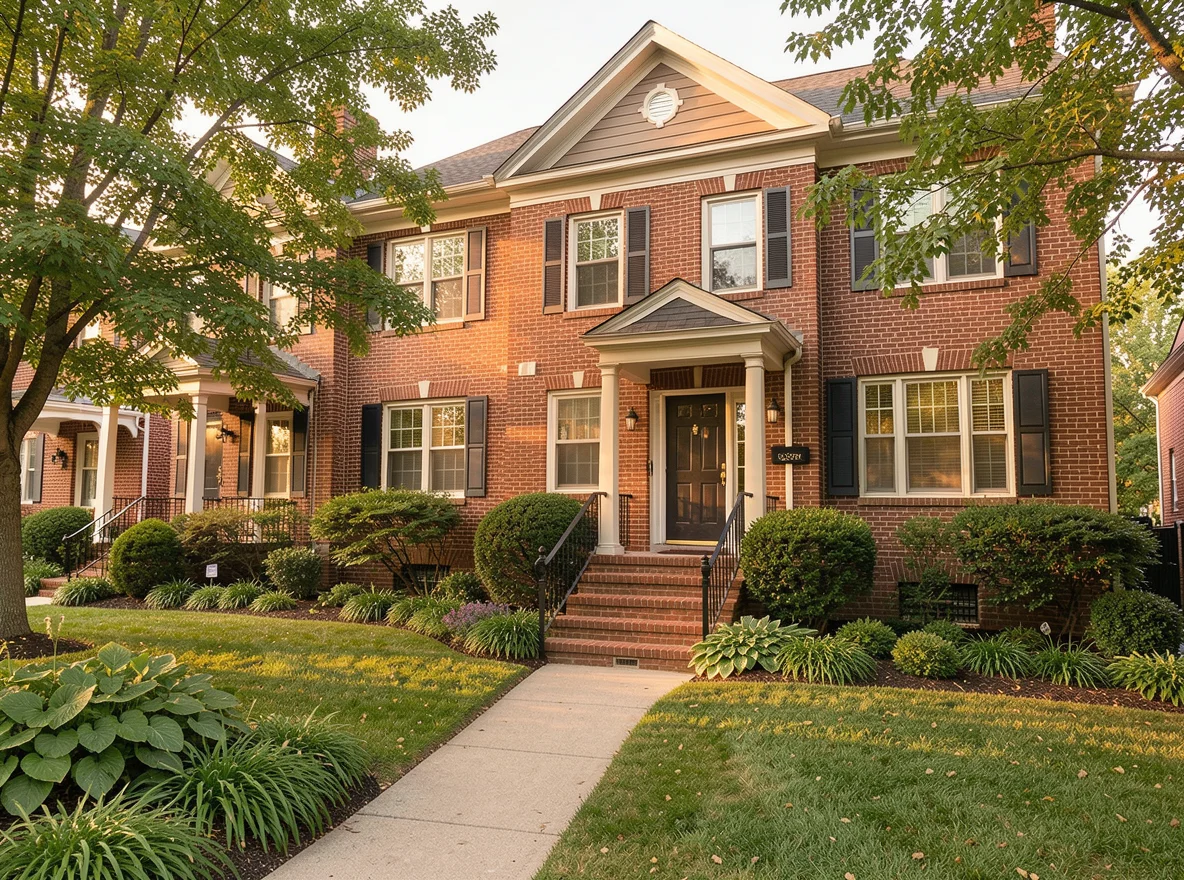
A weekend afternoon is a useful starting point because it gives many buyers time to visit multiple homes. Ask your agent to compare that option with other available times and nearby competing open houses. A two-hour window may be sufficient for some properties, while another home may benefit from a different schedule or additional private showing availability.
Consider what the home itself does best at different hours. If a living room fills with pleasant natural light in the early afternoon, that may be a good time to show it. If parking is easier later in the day or a nearby event is expected to create congestion, adjusting the schedule may make the visit more convenient. There is no universal best hour; the right choice depends on the property and the conditions that weekend.
Check event schedules and parking options before advertising your open house. A convenient arrival can be just as important as a convenient start time.
Season and weather matter, too. In warmer months, make sure the cooling system is working comfortably and that outdoor spaces are ready for visitors. If rain is forecast, prepare a place for umbrellas and shoes and make sure the entry is clean and slip-resistant. Have a backup plan with your agent rather than waiting until the morning of the event.
Set the Price Before You Promote the Date
Timing can bring buyers through the door, but pricing helps determine whether the home earns serious consideration. Before scheduling the event, review recently sold properties, active competition, and pending listings with your agent. Look beyond the list price to differences in size, condition, location, amenities, and any association costs.
For a condo or other property with shared amenities, the comparison should account for monthly fees and what they cover. For a detached home, differences in parking, outdoor space, updates, and maintenance can matter. Nearby sales are useful, but a home across the street is not necessarily an equivalent if its condition or layout is substantially different.
Ask your agent to explain the proposed price range and the tradeoffs behind it. An ambitious price may limit interest if buyers see better value elsewhere; a lower price should also be considered carefully in the context of your goals. Avoid treating an open house as a substitute for a thoughtful launch strategy: listing photos, property details, showing availability, and price all work together.
Prepare the Home for a Closer Look
Give yourself enough time to address repairs and staging before photography and the first showing. Start with the details a visitor will notice immediately: the entry, lighting, floors, kitchen surfaces, and bathrooms. A clean, well-maintained home makes it easier for buyers to focus on the property rather than a list of unfinished tasks.
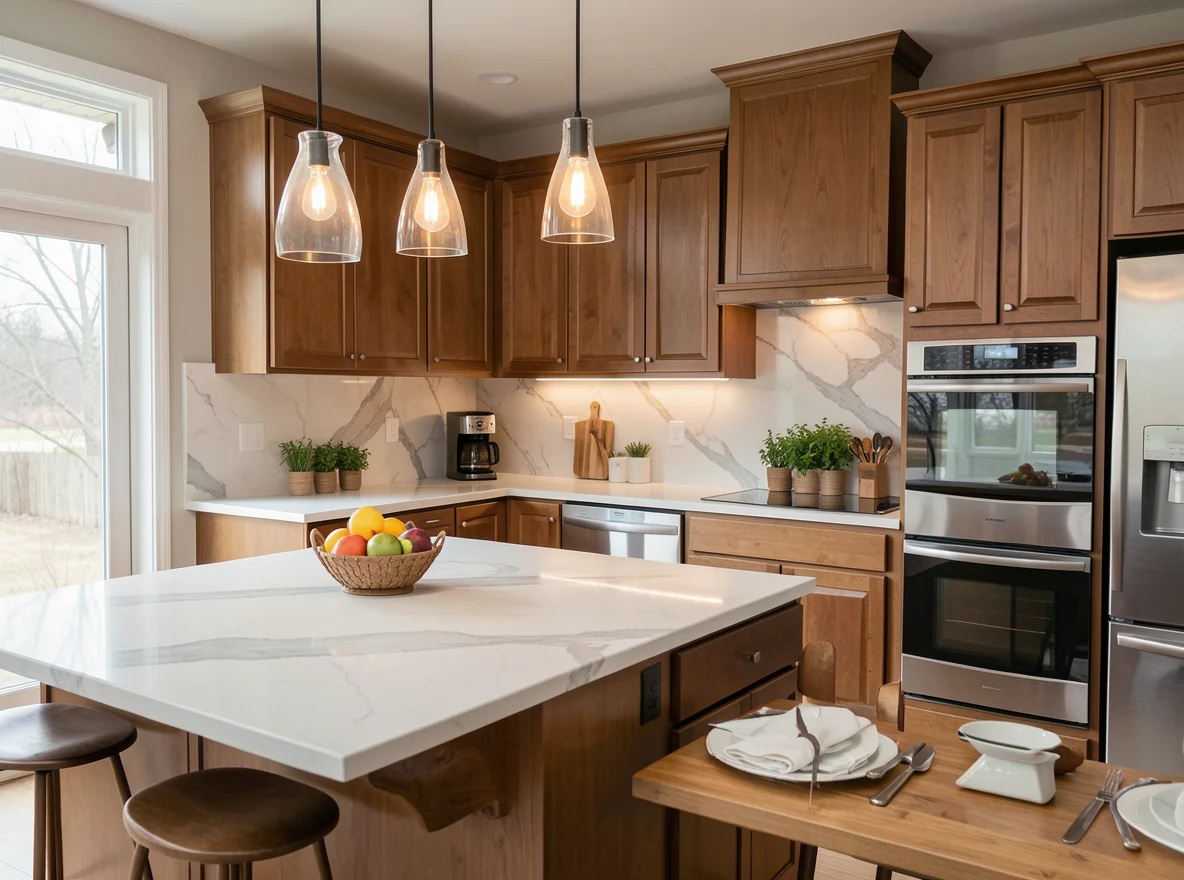
Declutter counters and storage areas without making rooms feel empty. Arrange furniture so visitors can move comfortably through each space and understand how it connects to the next. Open blinds where appropriate, replace burned-out bulbs, and choose simple finishing touches that complement the home. If you have a balcony, patio, or porch, make it clean and accessible so visitors can see the usable space.
Handle obvious maintenance items before the event: a dripping faucet, a sticking door, or a loose cabinet pull can distract from a well-presented home. Your agent can help you prioritize the improvements most relevant to your property and budget. You do not need to renovate every room; focus first on cleanliness, function, and a consistent presentation.
Prepare for listing photos and the open house at the same time. Buyers should recognize the home they saw online when they arrive in person.
Gather useful information as well. Depending on the property, this might include a list of recent updates, utility information, available warranties, and association documents. Share known property conditions with your agent and follow applicable disclosure requirements. Clear, accurate information helps buyers evaluate the home without relying on guesswork.
Make the Visit Easy From Arrival to Exit
Work through the practical details with your agent several days ahead. Confirm where visitors can park, how they should access the building or property, and whether signs or entry procedures are permitted. If the home is part of an association or managed building, check its open house and guest-access rules before making plans.
On the day, secure valuables, medications, financial documents, and other personal items. Discuss pet arrangements and any security cameras with your agent, including applicable recording rules. Agree on who will greet visitors, how the home will be secured afterward, and how interested buyers can arrange a follow-up showing.
Leave enough time before the event for a final walk-through: empty trash, straighten the rooms, adjust the temperature, and turn on appropriate lights. Provide your agent with accurate details about features buyers may ask about, from assigned parking to recent improvements. A polished visit is not about hiding imperfections; it is about making the home easy to experience and understand.
Use Feedback to Plan the Next Move
After the open house, ask your agent for a straightforward review. How many groups visited? What questions came up repeatedly? Did visitors request disclosures or private showings? Comments about condition, layout, price, and access can reveal whether a small adjustment would help or whether the home simply needs more time and exposure.
Attendance alone is not the outcome. A quieter event that produces a serious follow-up may be more useful than a busy afternoon with no further interest. Compare the feedback with showing activity and current competition, then decide together whether to refine the presentation, adjust the schedule, or revisit pricing.
Explore home-selling resources
A well-timed open house is one part of a larger selling plan. With careful preparation, realistic pricing, and attention to local logistics, you can give buyers a comfortable visit and gather useful information for the decisions ahead. Talk with Keisha Walker about a strategy tailored to your home near the Clinton Presidential Library.